


 78 / 98

78
Tuesday 28th June
116
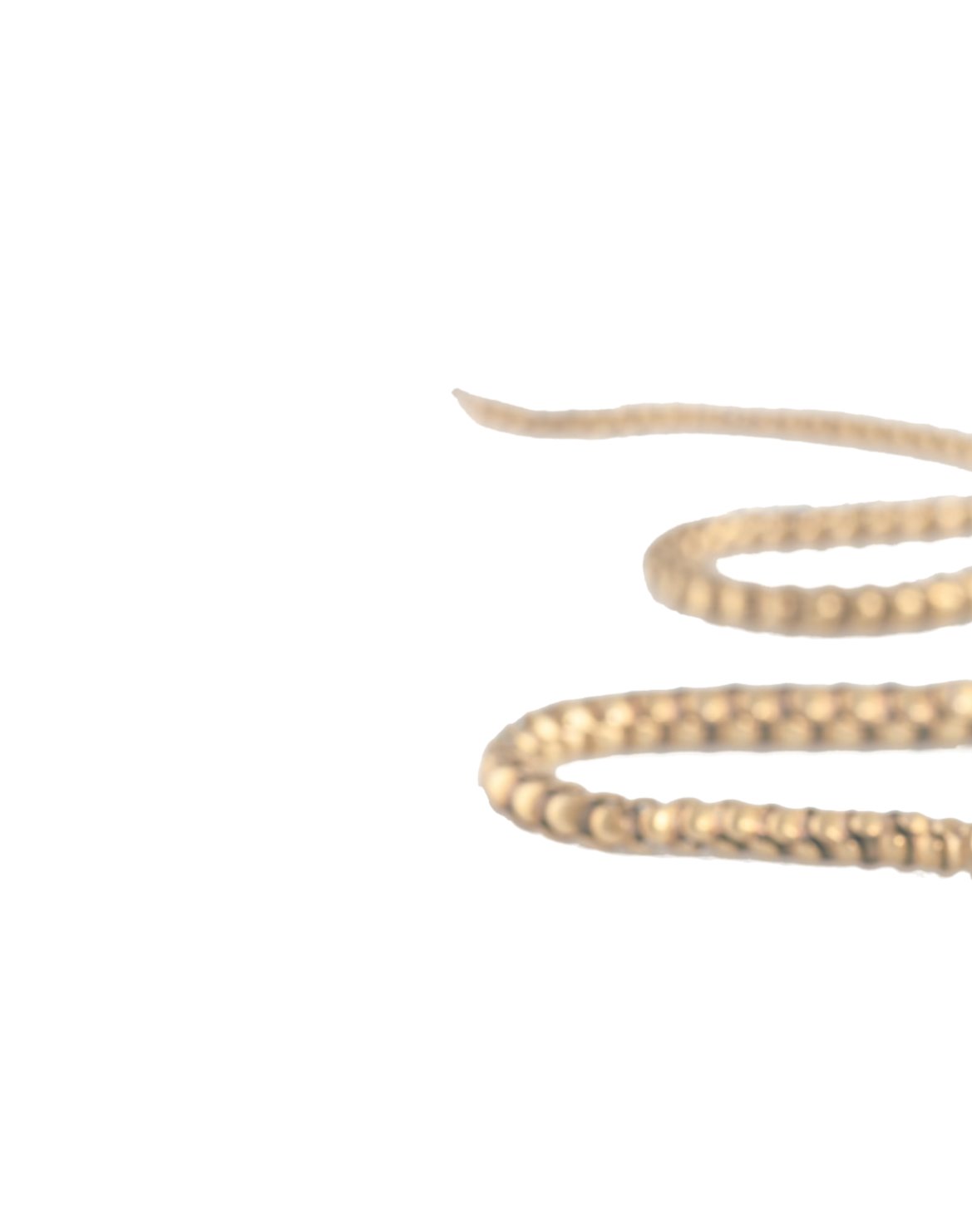
AN EARLY VICTORIAN GREEN BERYL AND GARNET SERPENT NECKLACE, CIRCA 1840Designed as a highly stylised flexible serpent, the head with rectangular-cut green beryl crown and
cabochon garnet eyes, the mouth suspending a leaf and an openwork motif with square-cut and pear-shaped
green beryl detail,
length 44cm, in fitted case
€2,000 - 4,000
Mankind has been fascinated with the Serpent since Ancient Egyptian times.This fascination is reflected
in its widespread use as a symbolic and decorative motif in valuable possessions, especially jewellery. Its
intriguing and enigmatic representation of both good and evil, fertility and rebirth, poison and medicine
has allowed the snake to remain one of the most prevalent mythological symbols to date. Historically, the
serpent has held different meanings in different parts of the world; representing royalty and deity in Egypt
- often featured in jewellery worn by the great Egyptian Pharaoh Cleopatra; sexual passion and desire in
Rabbinical tradition and Hinduism; and everlasting love in the Ancient Roman civilisation. Furthermore
Greek, Nordic,African and Native American people have all honoured and immortalised the serpent in gold
and other precious metals.
In the early 19th Century in Britain, serpent jewellery was elevated to new heights when Prince Albert
presented QueenVictoria with the first ever engagement ring as a symbol of his eternal love.The Royal
engagement launched the popularity of the serpent as the dominant motif on rings, brooches and necklaces
in the 1840s.